Functions your tradition expects
Each design comes with its usual functions listed. Switch off the ones you aren't hosting.
Digital wedding card · Free preview
A wedding card your guests can actually use: every function with its venue on Google Maps, a call button for each family and your blessing at the top — sent as one link on WhatsApp.
Cards are beautiful. But on the wedding day, guests need directions and a number to call — not a picture.
Printing takes weeks and delivery takes longer. Relatives in other cities — or other countries — often get theirs days before the first function.
A JPEG or PDF of the card needs pinching to read on a phone, and its address can't be tapped. Guests retype it into Maps or call you.
Haldi at home, Sangeet at a banquet hall, pheras at a farmhouse — a single printed address can't send guests to the right place for each function.
What each format does for a guest — honestly, including where print still wins.
“Partly” means it depends on who designs it and how it's sent. A digital card isn't meant to replace the card you hand your grandparents — it's for everyone else, and for the day itself.
Everything from a printed card, plus the parts guests tap. Scroll inside the phone.
Your tradition's blessing, both names and a welcome message.
Tilak to Grand Reception, each with its own date, time and venue.
A Google Maps button on each function — no retyping addresses.
Call buttons for each side, with as many numbers as you add.
Multiple functions, multiple venues, two families — that's the starting point, not an add-on.
Each design comes with its usual functions listed. Switch off the ones you aren't hosting.
Paste a Maps link for the exact spot, or type the address for a search.
One or more numbers for each side, one tap each.
Keep the pre-written blessing or write your own in Hindi or English.
Mark Haldi or Mehendi as at home and add the house address.
Most families don't choose one — they use each where it works best.
Grandparents, close relatives and the family pandit-ji often expect a card handed over with mithai. Print a small batch for them.
Family groups, friends, colleagues and neighbours get the digital card on WhatsApp — the same day, wherever they live.
Use the same blessing, names and family names on both, so the printed and digital cards feel like one invitation.
On your inviteCopy your printed card's welcome lines into the welcome message.
Printed cards stay in a drawer. A short WhatsApp reminder with the link puts directions and timings in every guest's hand on the day.
What a digital card includes — and what it doesn't.
It's your wedding invitation as a web page you share by link. Guests open it in their phone's browser and see your blessing and names, every function with its date, time and venue, and your family's contact numbers — with buttons to open each venue in Google Maps or call the family.
Each function has an address field and an optional Google Maps link. With a link, guests get “Open Direct Location” and land on the exact pin. With only an address, they get “Search on Google Maps”, which searches that address.
No. There's no RSVP form or guest list. The card shows phone numbers for both families, so many couples simply ask guests to call or WhatsApp to confirm.
No — it's a link, not a file. That's what lets guests tap for directions and calls. If you also want a printed or image card, many families keep one for elders and send the link to everyone else.
Designing and previewing your invitation is free, with no sign-up. When you're happy with it, getting your shareable link is a one-time ₹499 (launch offer, usually ₹999). That gives you your own link with a photo preview on WhatsApp, unlimited guests and edits until the wedding. There's no subscription.
For most guests, yes — it's how many families invite friends, colleagues and relatives in other cities. For elders and very close family, a printed card or a personal call alongside the link is a kind touch.
Six designs, each with its tradition's blessing, functions and messages ready.
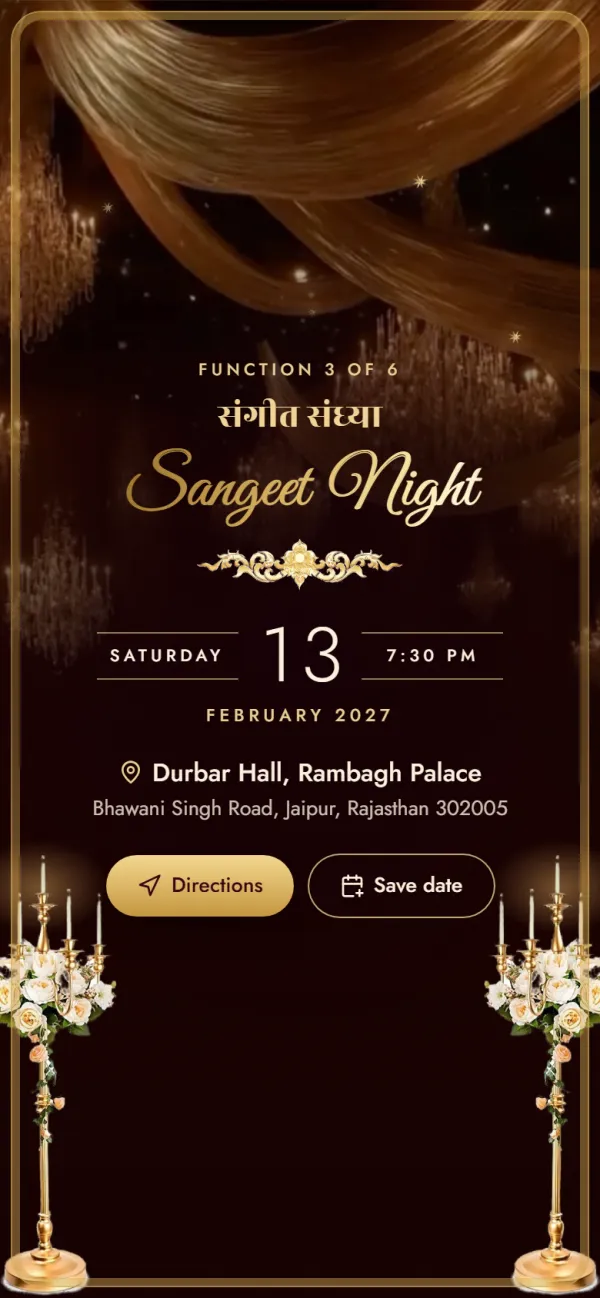
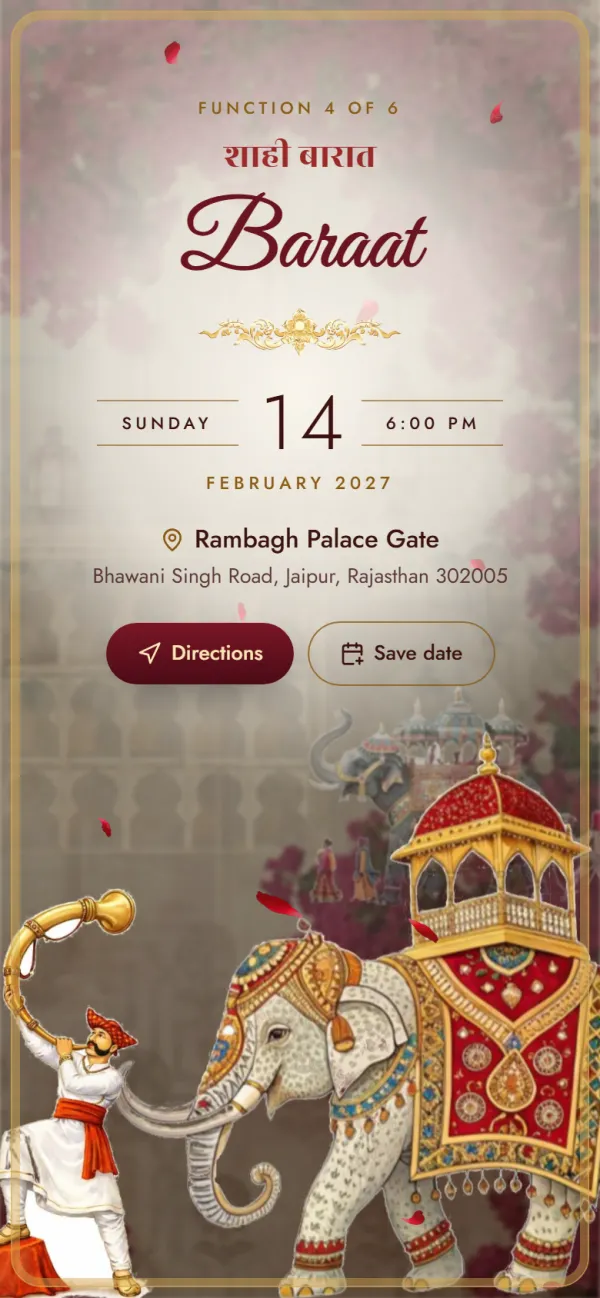
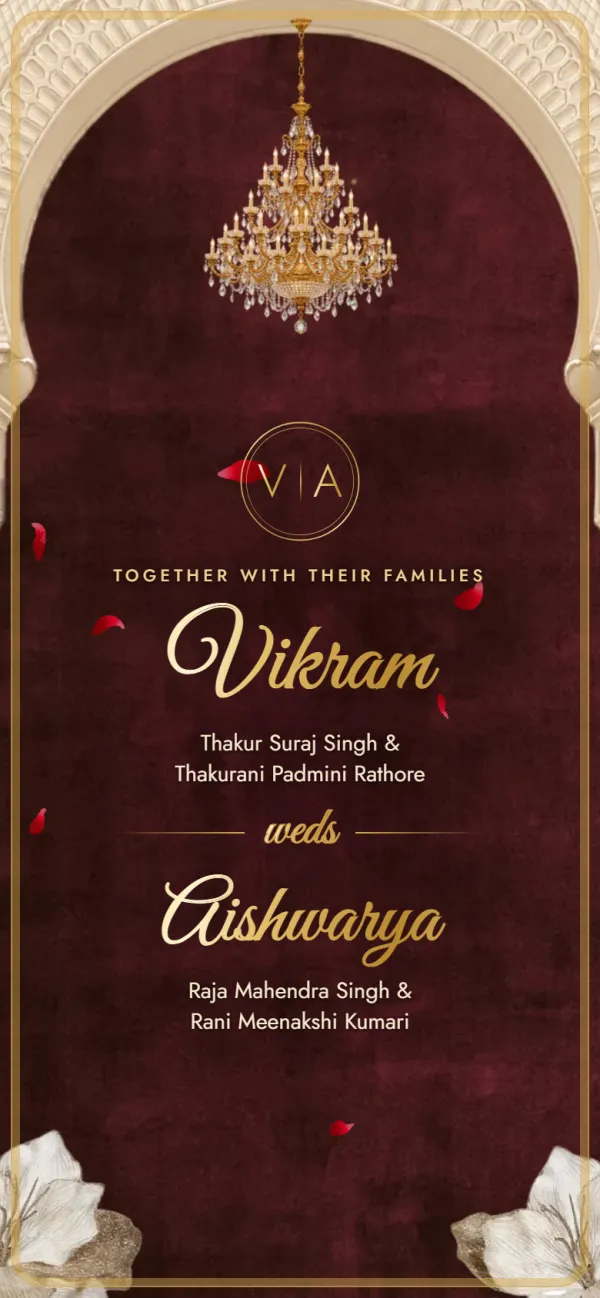
A palace invitation: a sealed letter, velvet curtains and a baraat on an elephant.
Functions included
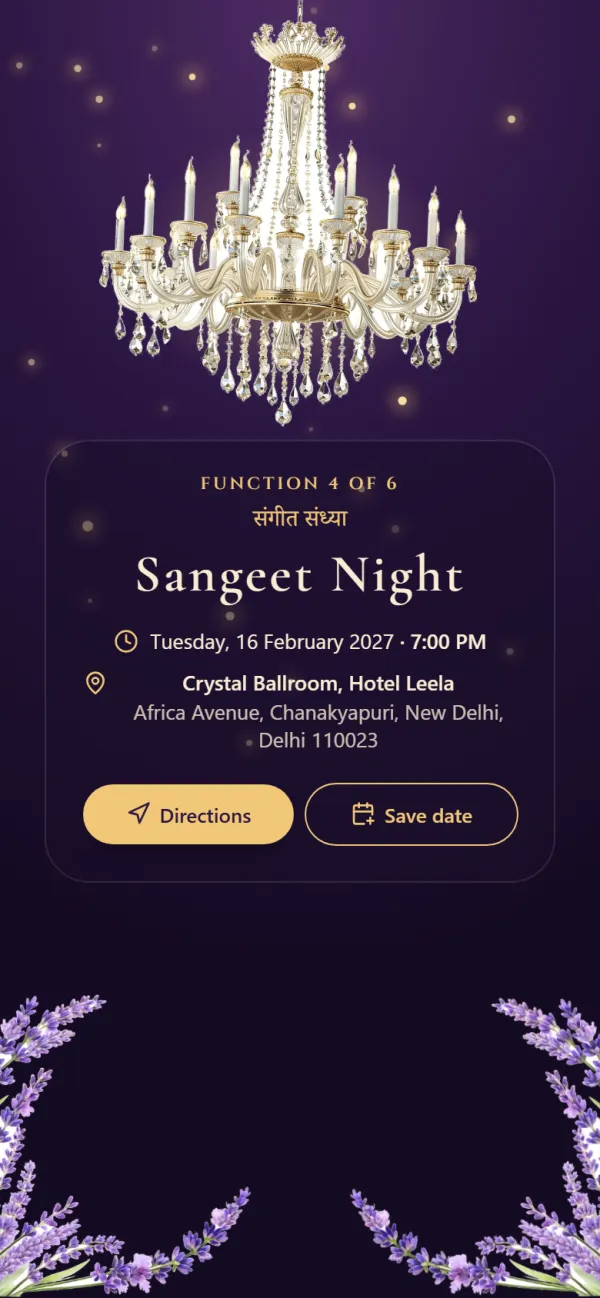
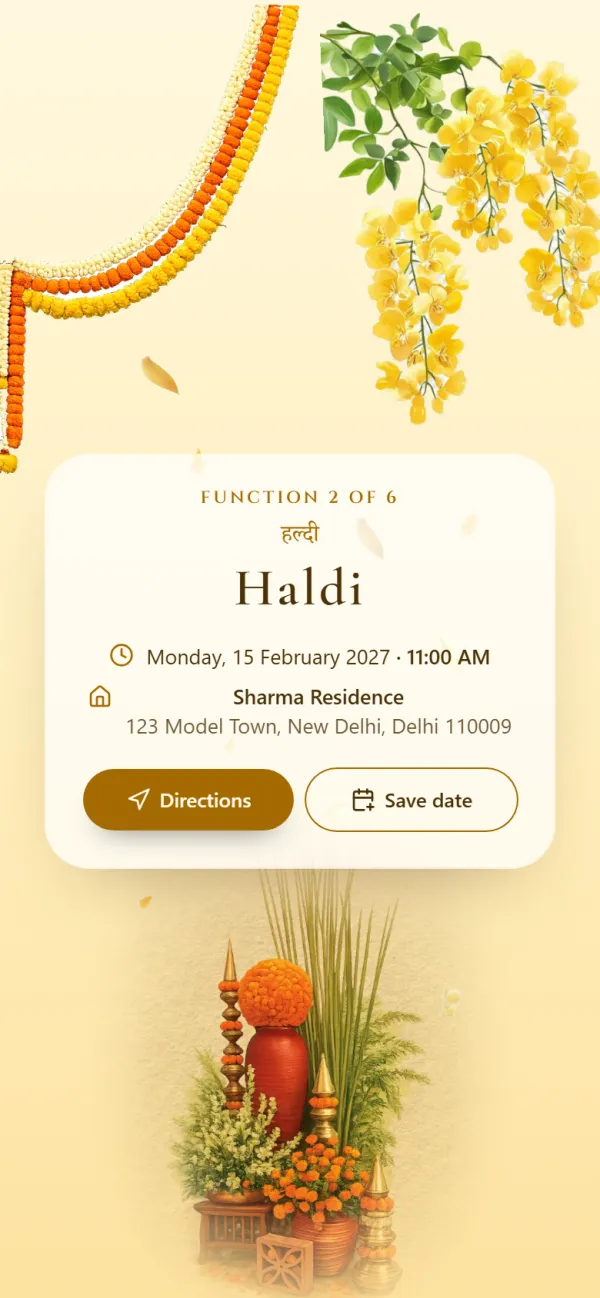
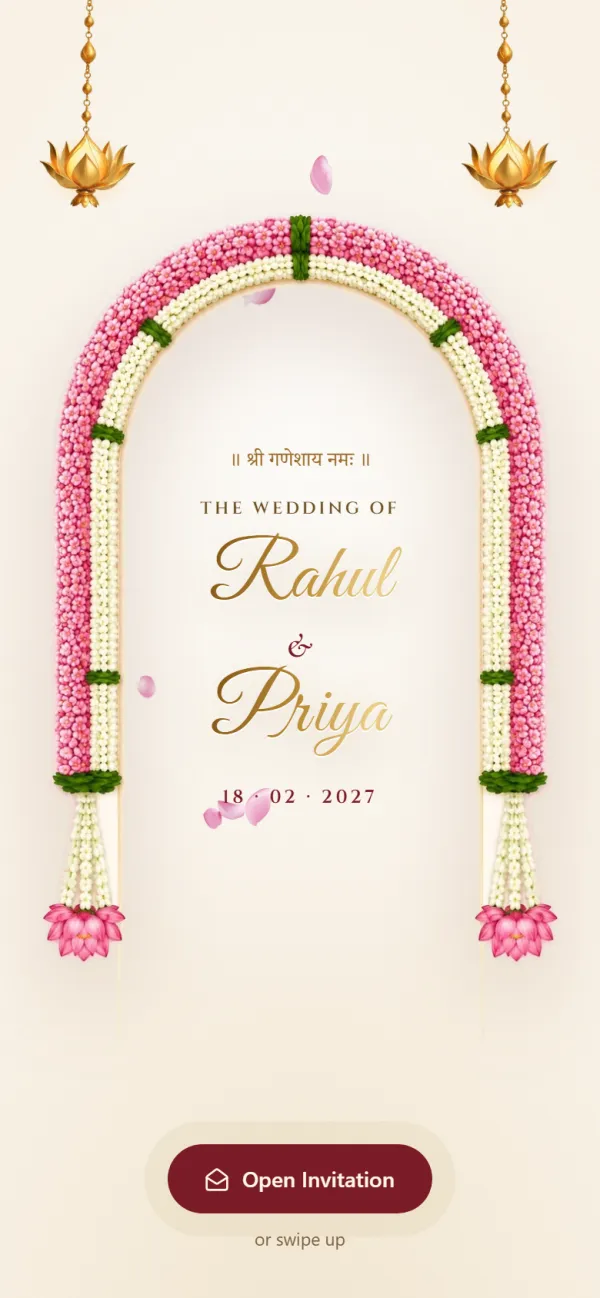
Opens with Shree Ganeshaya Namah and lists every function from Haldi to the reception.
Functions included

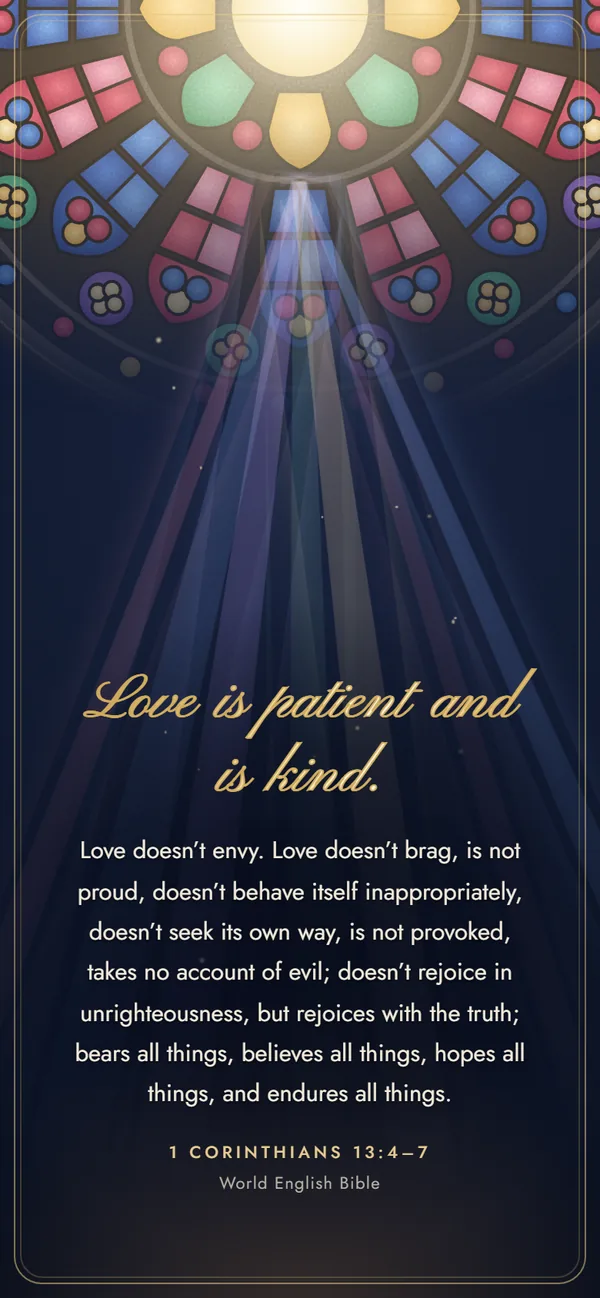
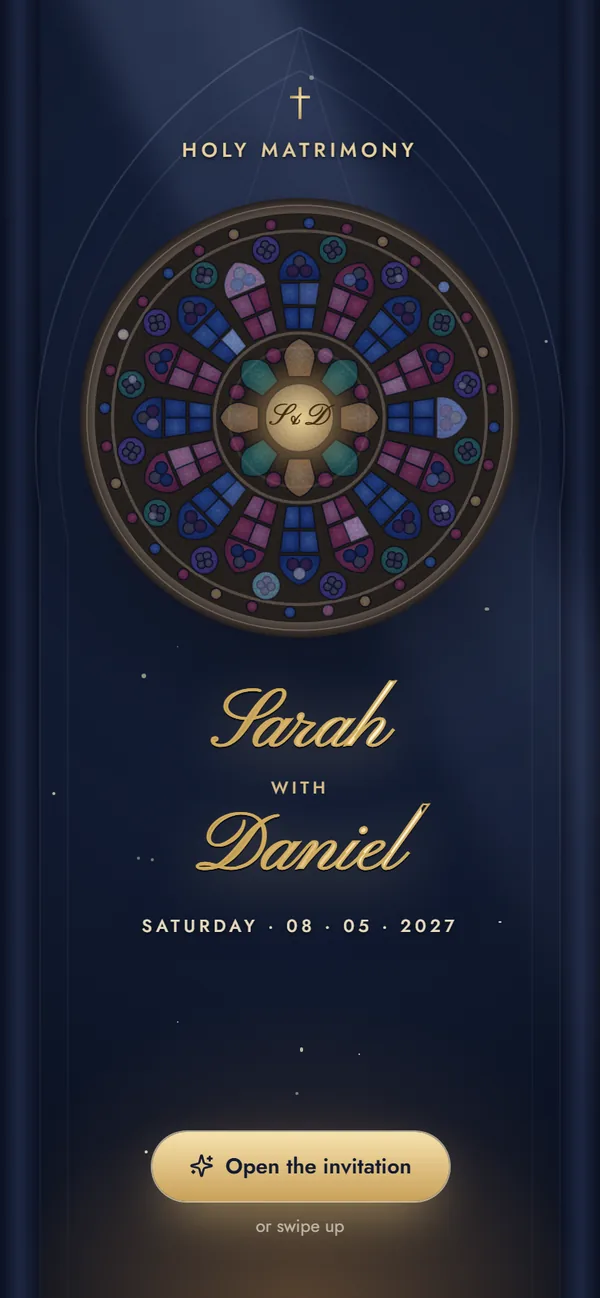
A stained-glass rose window lights up over your names — engagement, Roce, Holy Matrimony and reception.
Functions included
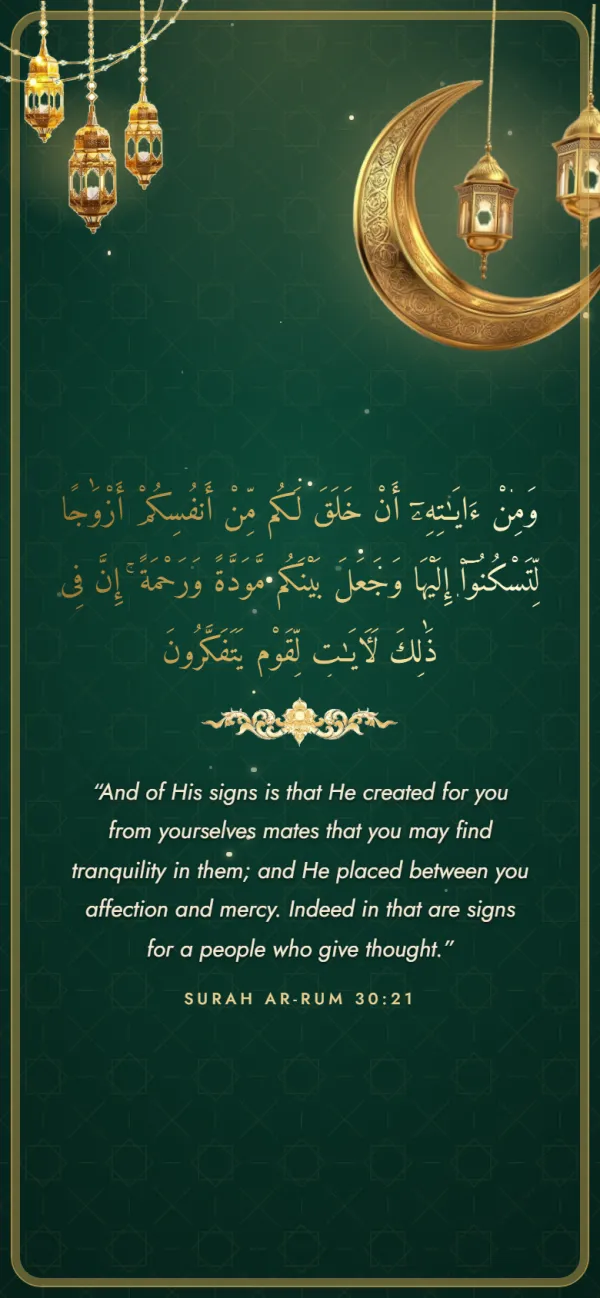
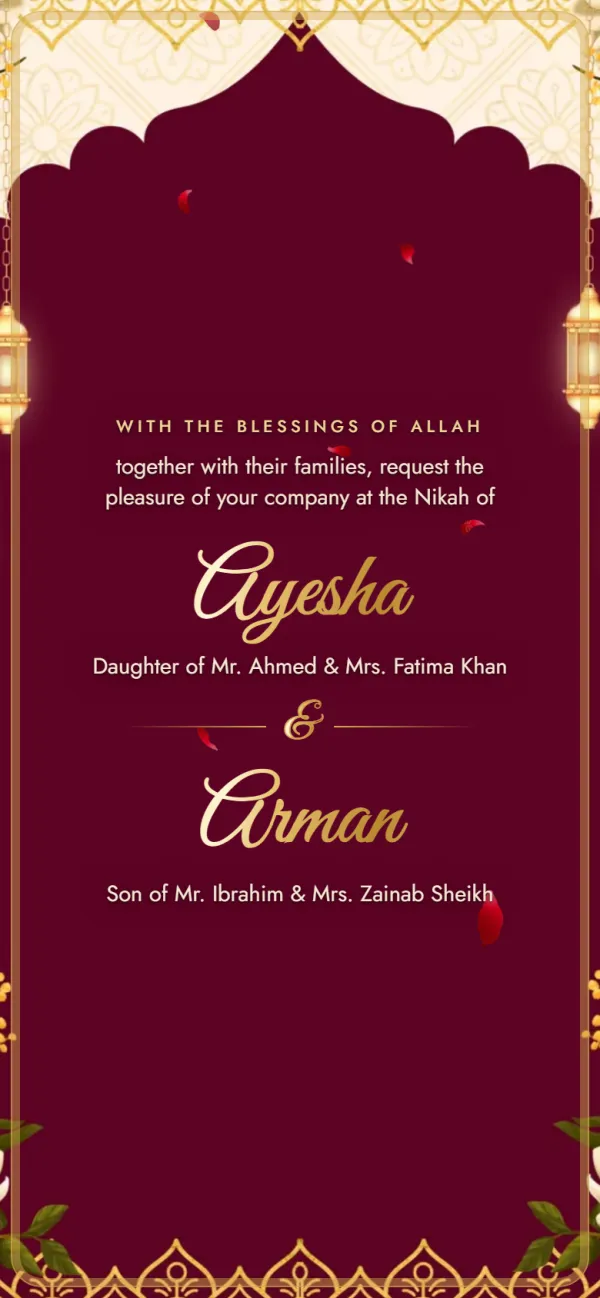
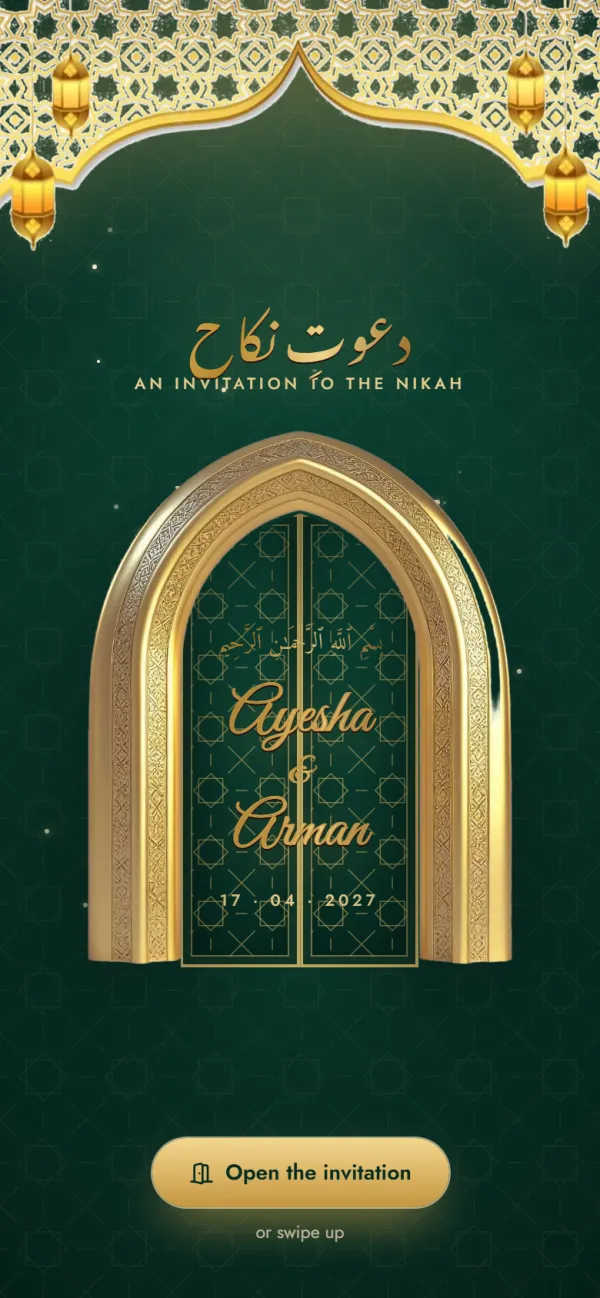
Carved doors open on a night of lanterns, with the Mehndi, Nikah and Walima ready to fill in.
Functions included
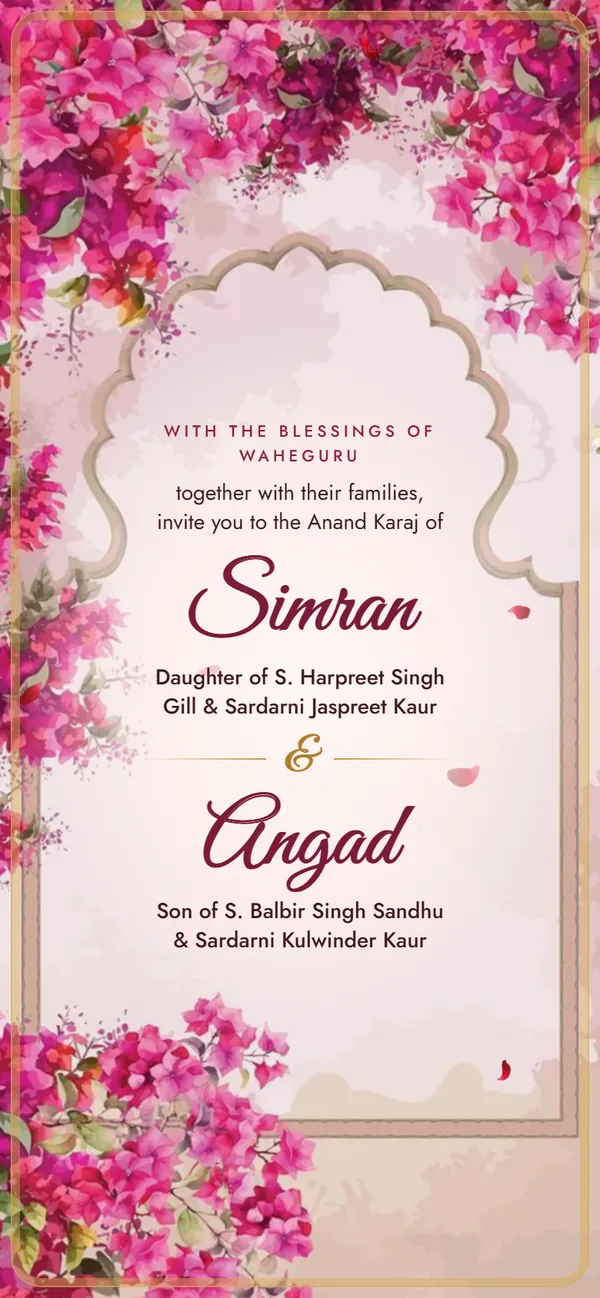
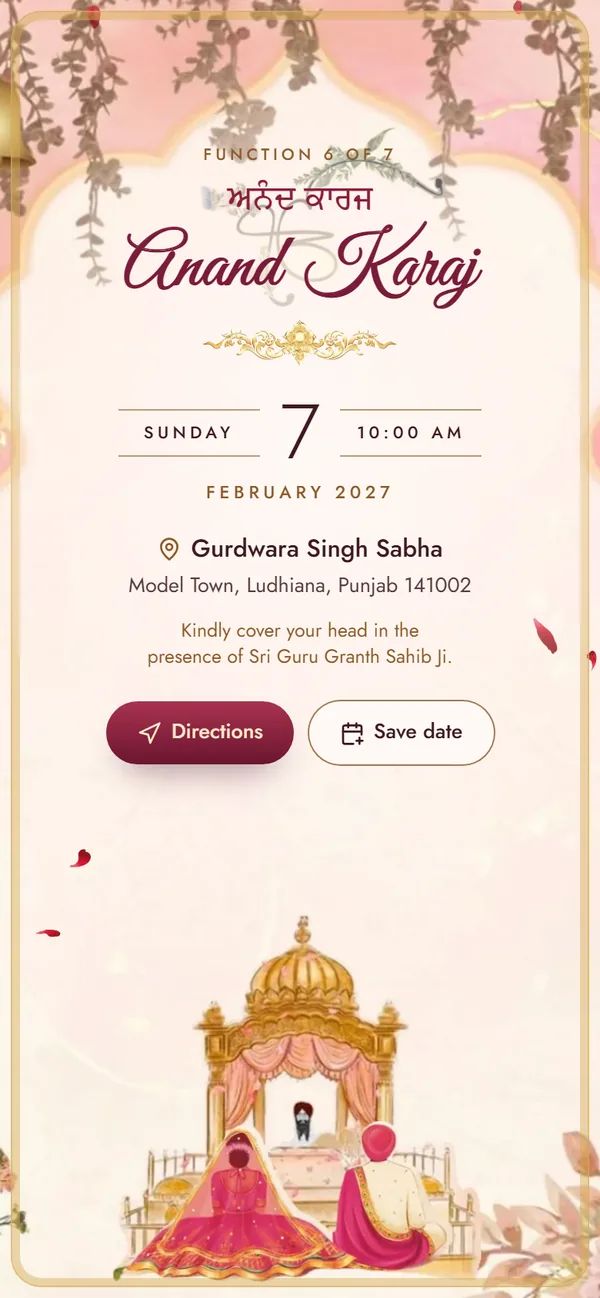
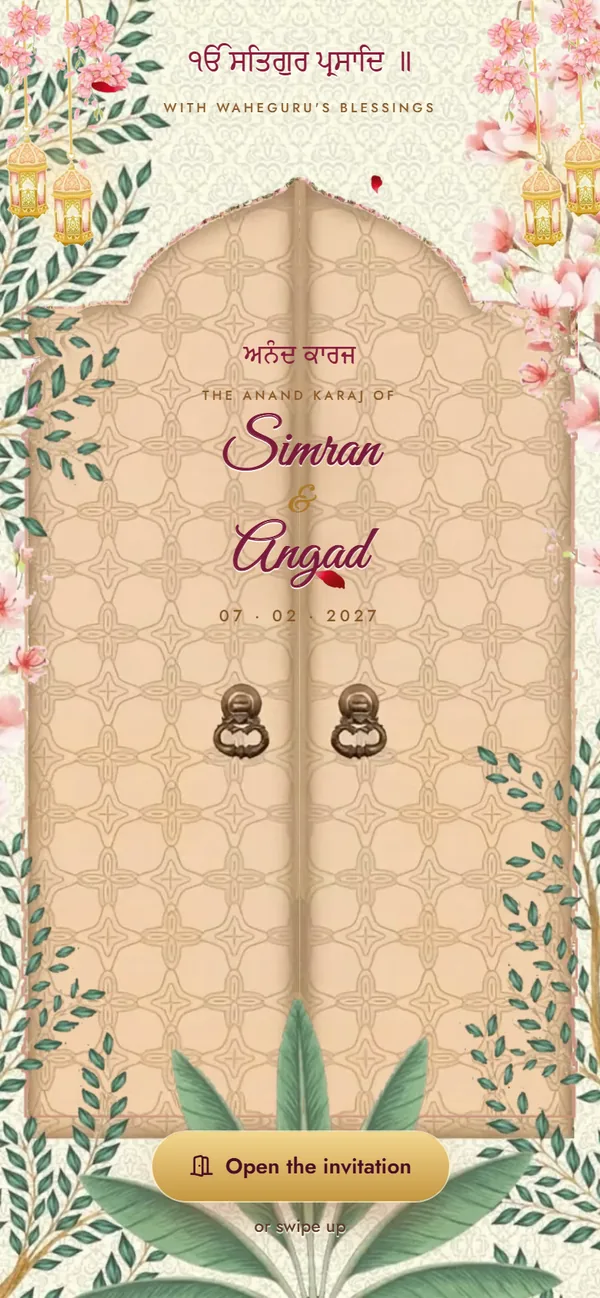
Carved doors swing open on the Palki Sahib: blossoms and gold, the four Laavan, and every function from Path to Reception.
Functions included
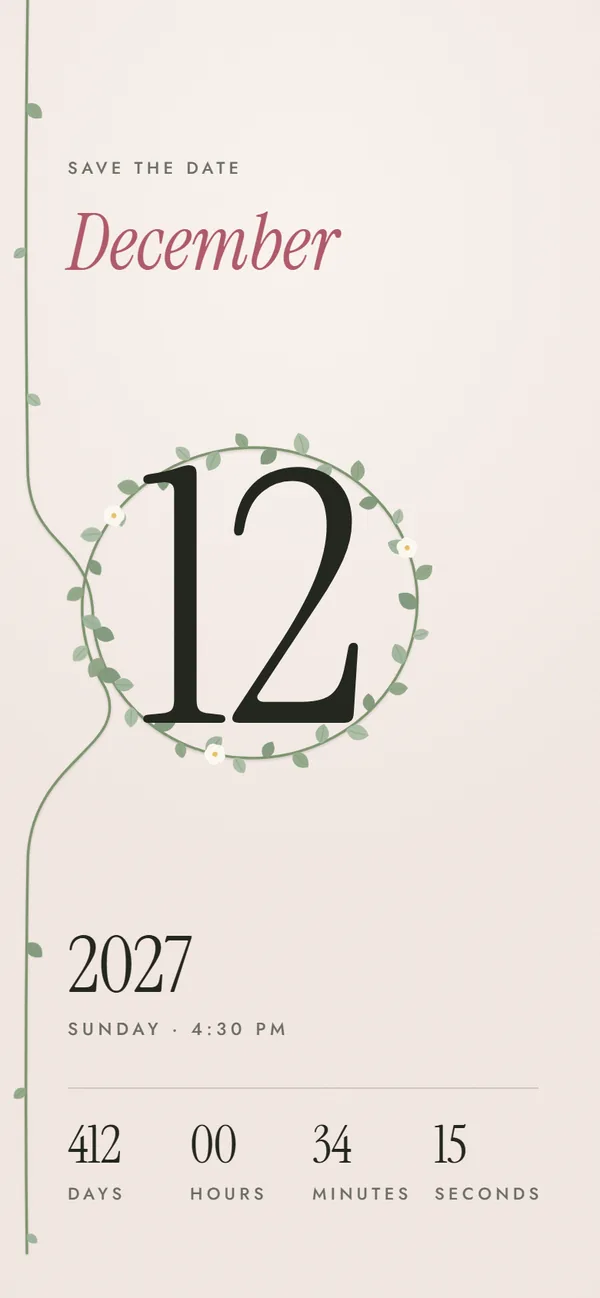
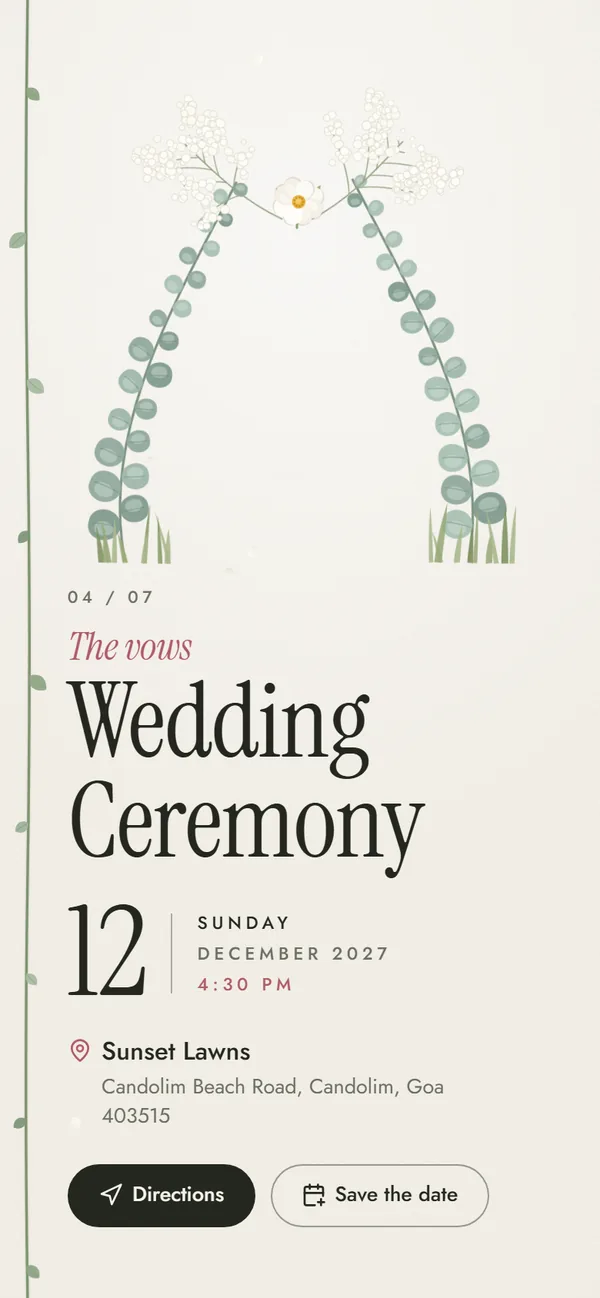
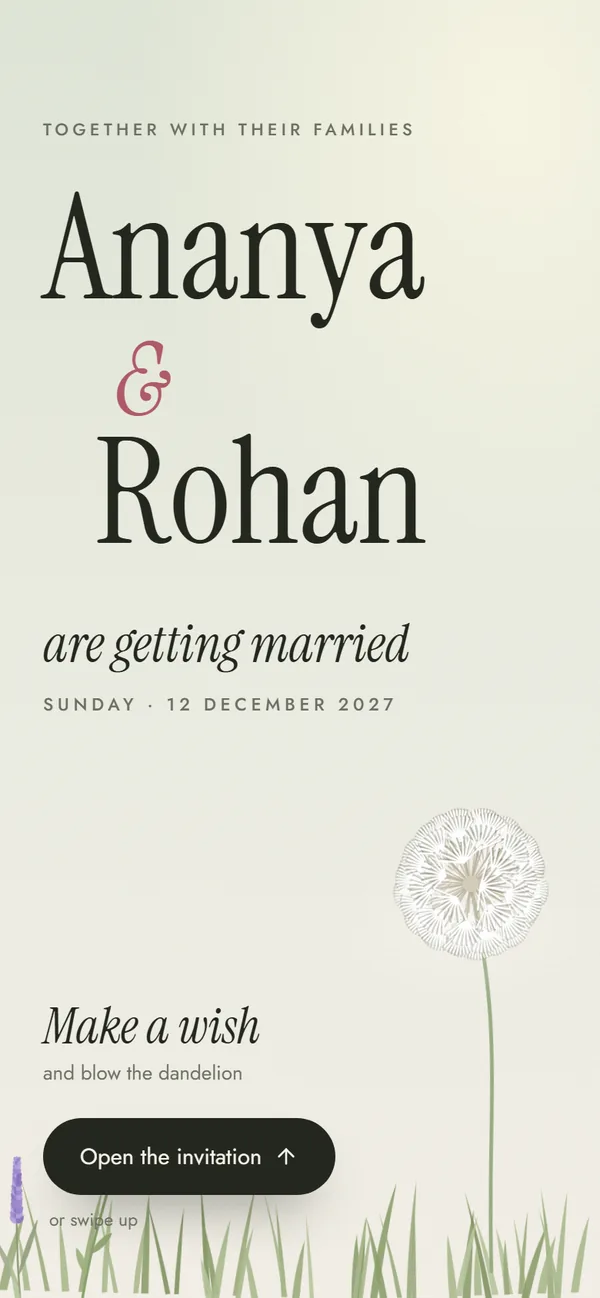
Make a wish on a dandelion, then watch a garden grow — editorial type, no religious text, an hour of the day for every function.
Functions included
Your blessing, every function and a map for each venue — in one link your guests will actually use.
Free to try
₹499 only when you share